Heavy Equipment Appraisals in Sacramento, CA

Heavy Equipment Appraisals in Sacramento, CA, CA Built to Hold Up Under Scrutiny
Heavy equipment appraisals give owners, lenders, attorneys, and insurers a clear, documented value for machinery that often represents a business's largest asset. Western Appraisers of Sacramento provides heavy equipment appraisals in Sacramento, CA, CA and across El Dorado County for contractors, logging operations, farms, quarries, and estates. Whether you need a value for a single excavator or a full fleet of earthmoving, forestry, and hauling equipment, our heavy equipment appraisal reports are prepared to be read, questioned, and relied upon by banks, courts, the IRS, and insurance carriers.
Schedule Your Heavy Equipment Appraisal in Sacramento, CA, CA Today

What Heavy Equipment Appraisals in Sacramento, CA Cover
Every heavy equipment appraisal starts with identifying exactly what is being valued. Equipment in the Sierra foothills works hard on steep grades, in dust, and through wet winters, so each machine is inspected and documented individually rather than valued from a list.
Construction and Earthmoving Equipment
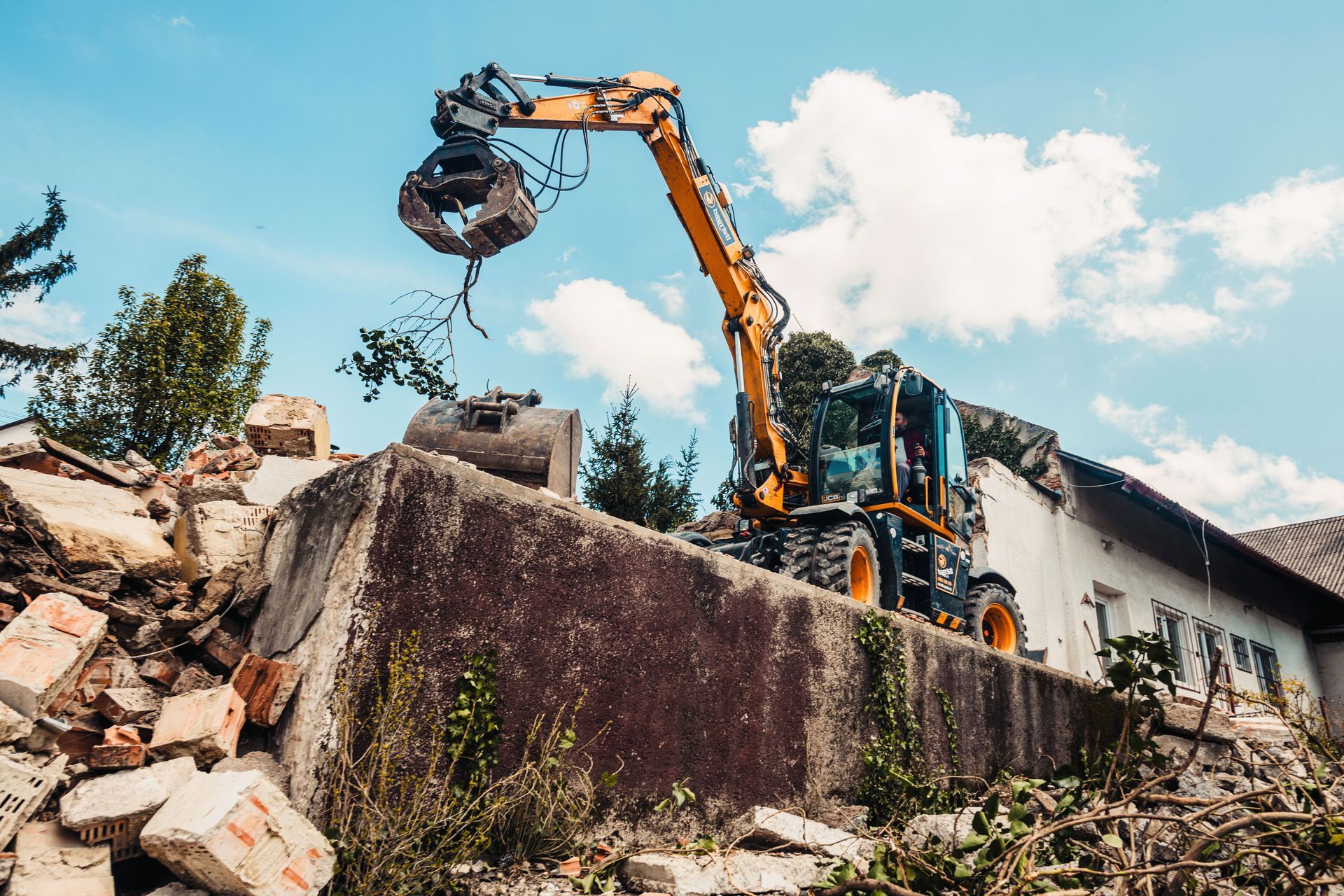
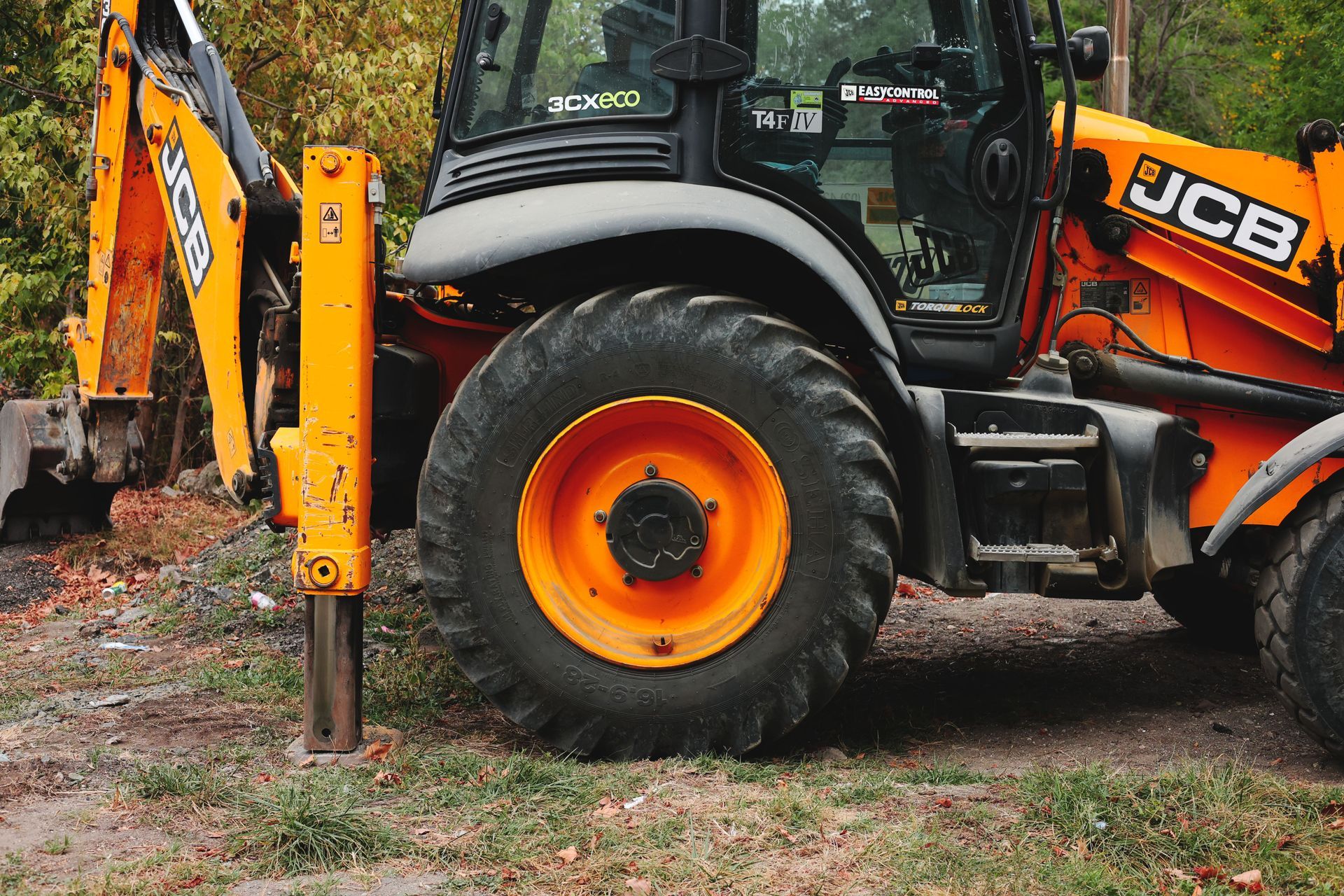
Our heavy equipment appraisals in Sacramento, CA regularly include excavators, dozers, backhoes, skid steers, compact track loaders, wheel loaders, motor graders, and compactors. Attachments such as buckets, thumbs, rippers, and hydraulic hammers are identified and valued where they add measurable worth.
Forestry and Land Clearing Equipment
Logging and fuel reduction work is common in this region. Heavy equipment appraisals for skidders, feller bunchers, forwarders, masticators, chippers, and log loaders account for hours, undercarriage wear, and demand in the timber and fire mitigation markets.
Trucks, Trailers, and Hauling Units
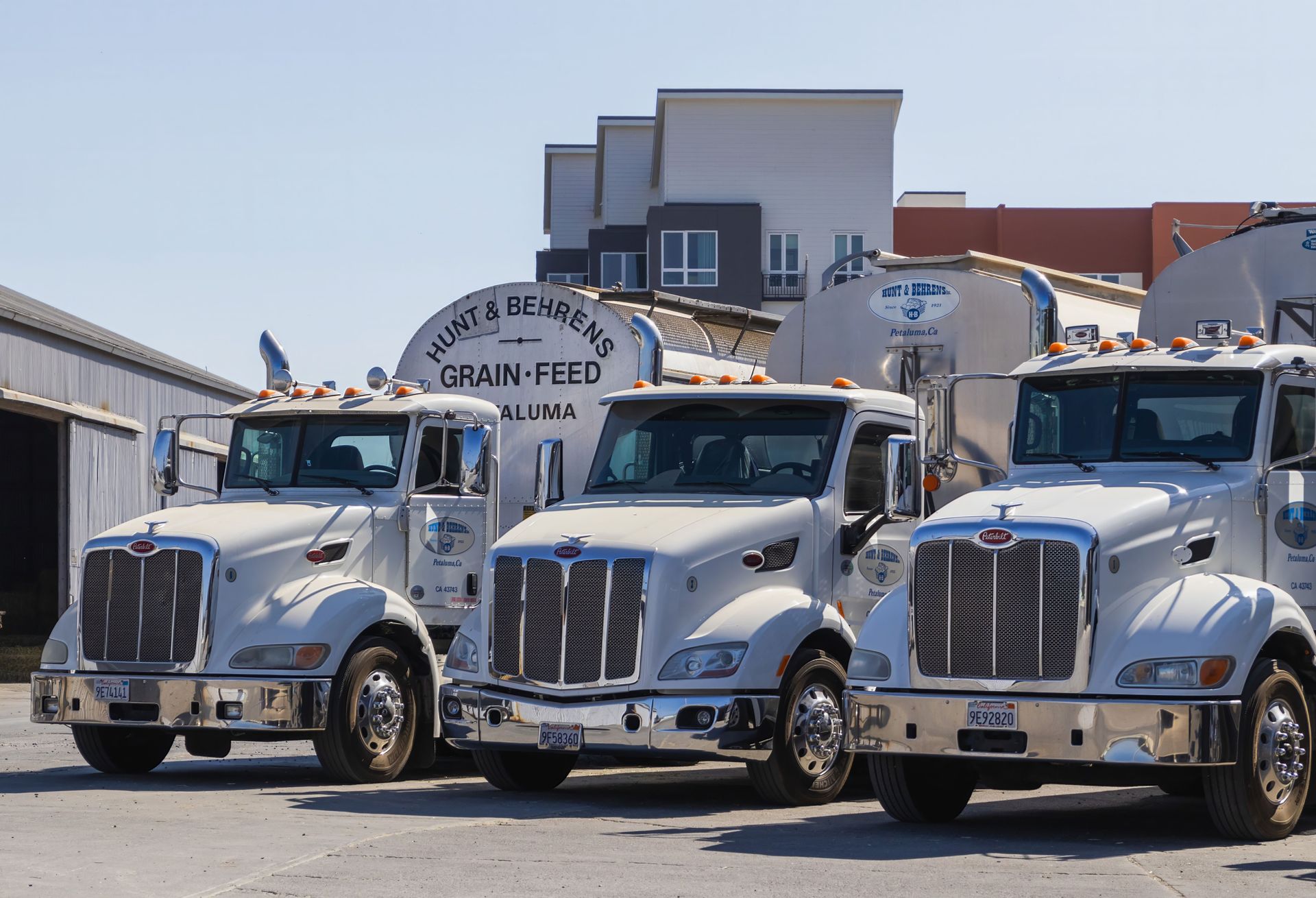
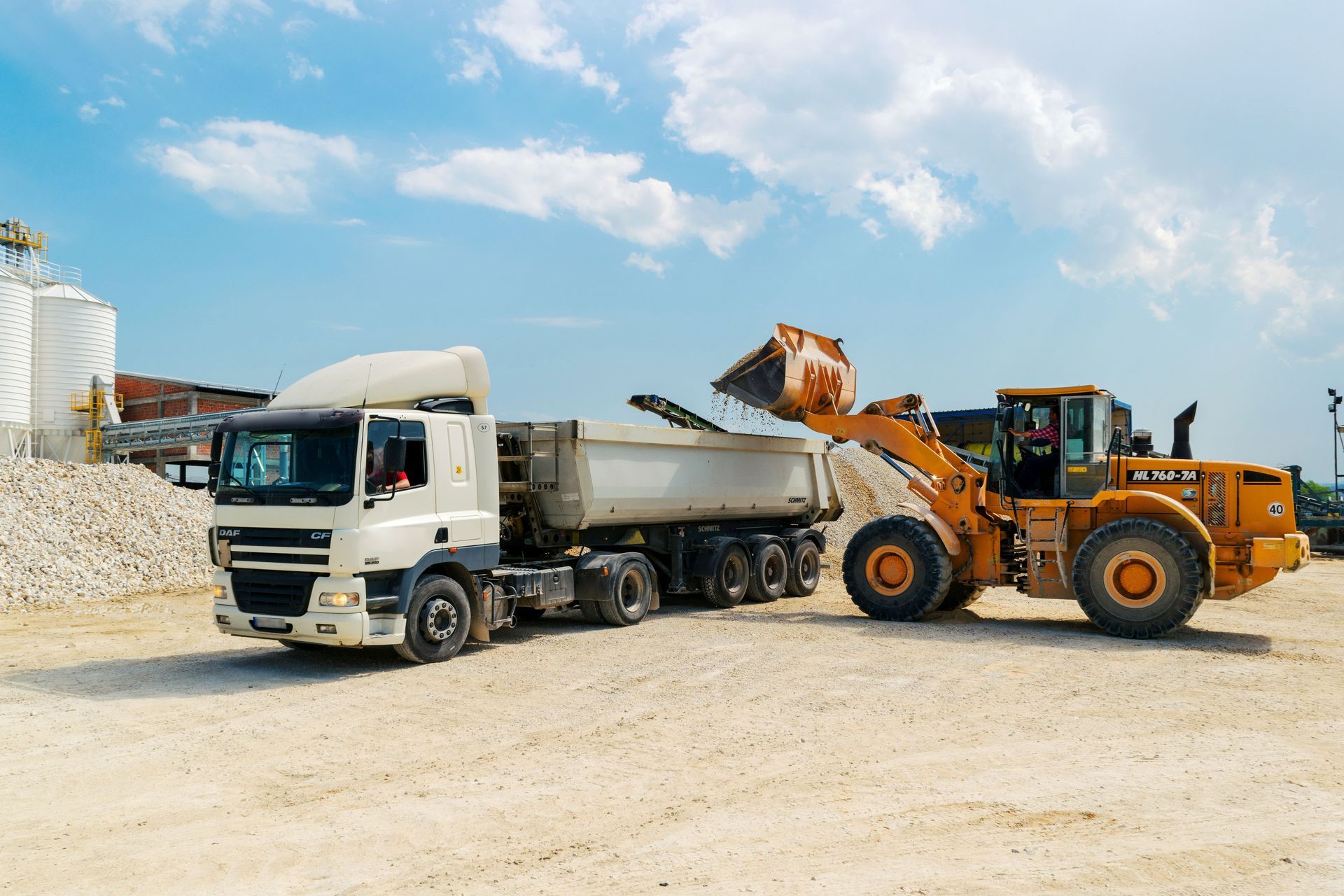
Dump trucks, water trucks, lowboys, equipment trailers, and service trucks are often part of a heavy equipment appraisal for a contractor or estate. Titles, VINs, and mileage are recorded alongside condition.
Agricultural and Specialty Machinery
Tractors, ranch equipment, cranes, aerial lifts, and generators can be included when a client needs one consolidated heavy equipment appraisal covering every operating asset.
When You Need Heavy Equipment Appraisals
The purpose of the report shapes the value standard used, the level of detail, and who the report is written for. Telling us the intended use upfront ensures your heavy equipment appraisal answers the right question.
Equipment Financing and Refinancing
Lenders use heavy equipment appraisals to set loan amounts and confirm collateral coverage. These reports typically focus on orderly liquidation value, which reflects what a lender could reasonably recover if the equipment had to be sold.
Insurance Coverage and Loss Claims
An insurance-focused heavy equipment appraisal establishes replacement cost or actual cash value so policies are not underinsured. After theft, fire, or rollover, a prior appraisal supports a faster and fairer claim settlement.
Estate, Gift, and Tax Reporting
Estate settlements and charitable donations require heavy equipment appraisals based on fair market value. The report must be thorough enough to withstand an IRS review.
Divorce, Partnership Dissolution, and Litigation
When equipment is divided between parties, an independent heavy equipment appraisal provides a neutral value. Attorneys rely on these reports in negotiation, mediation, and court testimony.
Buying, Selling, and Business Valuation
Business valuators and CPAs also use equipment values when a company is being sold, merged, or restructured.
How Our Heavy Equipment Appraisal Process Works
Each heavy equipment appraisal follows a consistent process so your report is complete, transparent, and repeatable.
Defining the Scope and Intended Use
We start by confirming the purpose, the intended users, the effective date, and the value standard required. This step determines everything that follows in the heavy equipment appraisal.
On-Site Inspection
An appraiser inspects each machine at your yard, job site, or storage location in Sacramento, CA or the surrounding area. Serial numbers, hour meters, model years, attachments, and visible condition are recorded and photographed.
Condition Assessment
Undercarriage, tires, hydraulics, engine performance, cab condition, and structural damage are noted. Maintenance records and recent repairs are reviewed when available, since they directly affect heavy equipment appraisals.
Market Research and Analysis
Values are supported by current auction results, dealer listings, and comparable sales data for the same make, model, year, and configuration. Regional demand in Northern California is considered alongside national market trends.
Report Preparation and Delivery
You receive a written heavy equipment appraisal report that describes each asset, explains the methodology, states the value conclusions, and lists the data used. Reports are prepared in line with recognized appraisal standards so they can be relied upon by third parties.
Request a Heavy Equipment Appraisal Quote for Your Sacramento, CA Equipment
Value Standards Used in Heavy Equipment Appraisals
Not every heavy equipment appraisal produces the same number, because different situations call for different definitions of value. Understanding these standards helps you read your report correctly.
Fair Market Value
Fair market value reflects the price between a willing buyer and a willing seller, neither under pressure. It is the standard for estate, gift, divorce, and most sale-related heavy equipment appraisals.
Orderly Liquidation Value
Orderly liquidation value estimates the price achievable through a sale held over a reasonable period, often a few months. Lenders commonly request this value in heavy equipment appraisals for financing.
Forced Liquidation Value
Forced liquidation value reflects a quick sale, usually at auction, under time pressure. It is used in bankruptcy, workouts, and distressed lending situations.
Replacement Cost
Replacement cost estimates what it would take to replace a machine with a comparable new or used unit. Insurance-driven heavy equipment appraisals frequently rely on this standard.
Factors That Influence Every Value
Hours, age, make and model reputation, condition, attachments, emissions compliance, and current market demand all shape the final figure. In California, CARB compliance status for off-road diesel equipment can significantly affect heavy equipment appraisals, since non-compliant units face operating and resale limitations.
Heavy Equipment Appraisals Across Sacramento, CA and the Sierra Foothills
Western Appraisers of Sacramento provides heavy equipment appraisals throughout the Sacramento, CA area, including Georgetown, Cool, Coloma, Placerville, Pollock Pines, Auburn, and the broader Sacramento region. Many local operations store equipment on rural properties, active job sites, or remote timber land, and our appraisers travel to the equipment rather than requiring it to be moved.
Single Machines and Full Fleets
A heavy equipment appraisal can cover one tractor for an estate or several dozen units for a contractor's bank refinance. Fleet reports are organized by asset category so lenders and attorneys can review them efficiently.
Desktop and Inspection-Based Reports
When an on-site visit is not practical or the purpose allows it, a desktop heavy equipment appraisal can be prepared using photos, serial numbers, hour readings, and records you provide. Inspection-based reports remain the stronger option for litigation, tax, and high-value lending.
Heavy Equipment Appraisals FAQs
What is a heavy equipment appraisal?
A heavy equipment appraisal is a professional, written opinion of the value of construction, forestry, agricultural, or industrial machinery as of a specific date. It identifies each asset, documents its condition, explains the valuation method, and states a value based on a defined standard such as fair market value or orderly liquidation value.
How much does a heavy equipment appraisal cost in Garden Valley, CA?
The cost of heavy equipment appraisals in Garden Valley depends on the number of machines, their location, the purpose of the report, and whether an on-site inspection is required. A single-unit desktop report costs less than a multi-asset inspection for litigation. Contact Western Appraisers of Sacramento with your equipment list for a quote.
How long does a heavy equipment appraisal take?
Most heavy equipment appraisals are completed within one to three weeks after the inspection, depending on fleet size and report complexity. Rush timelines may be available for lending deadlines or court dates.
Do I need to be present during the inspection?
You or a representative should provide access to the equipment and keys if the machines need to be started. Having maintenance records and titles available during the visit makes the heavy equipment appraisal more accurate.
Will a bank accept a heavy equipment appraisal for a loan?
Lenders generally accept heavy equipment appraisals prepared by a qualified, independent appraiser that clearly state the value standard and intended use. It is best to confirm the lender's specific requirements before the appraisal is ordered.
What is the difference between fair market value and liquidation value?
Fair market value assumes a normal sale without pressure between informed parties. Liquidation value assumes the equipment must be sold within a limited time, which typically results in a lower figure. Your heavy equipment appraisal will use the standard that matches its purpose.
Can a heavy equipment appraisal be used for IRS purposes?
Yes. Heavy equipment appraisals for estate tax, gift tax, and charitable donations must meet IRS requirements for a qualified appraisal, including a detailed description of the property and a clear explanation of the method used to reach fair market value.
Does the number of hours on a machine affect its value?
Hours are one of the most significant value factors in heavy equipment appraisals. Lower hours generally increase value, but documented maintenance, recent rebuilds, and undercarriage condition can offset higher hours on a well-kept machine.
Can you appraise equipment that does not run?
Yes. Non-running or damaged equipment can still be valued based on salvage, parts value, or repair cost. The heavy equipment appraisal will note the condition and the assumptions used.
Does CARB compliance affect equipment value in California?
California Air Resources Board regulations can limit where older diesel equipment operates and who can buy it. Non-compliant machines often sell for less in California, so compliance status is considered in heavy equipment appraisals for Garden Valley owners.
Can an appraiser testify in court about the valuation?
Appraisers who prepare heavy equipment appraisals for divorce, partnership disputes, or litigation can often support their reports through depositions or expert testimony. Let us know at the outset if court involvement is expected so the report is prepared accordingly.
How often should heavy equipment be reappraised?
For insurance purposes, many owners update heavy equipment appraisals every two to three years or after major purchases. Lenders may require new appraisals at refinancing, and a fresh report is needed any time a value is required as of a new effective date.
Contact Western Appraisers of Sacramento for Heavy Equipment Appraisals in Sacramento, CA, CA